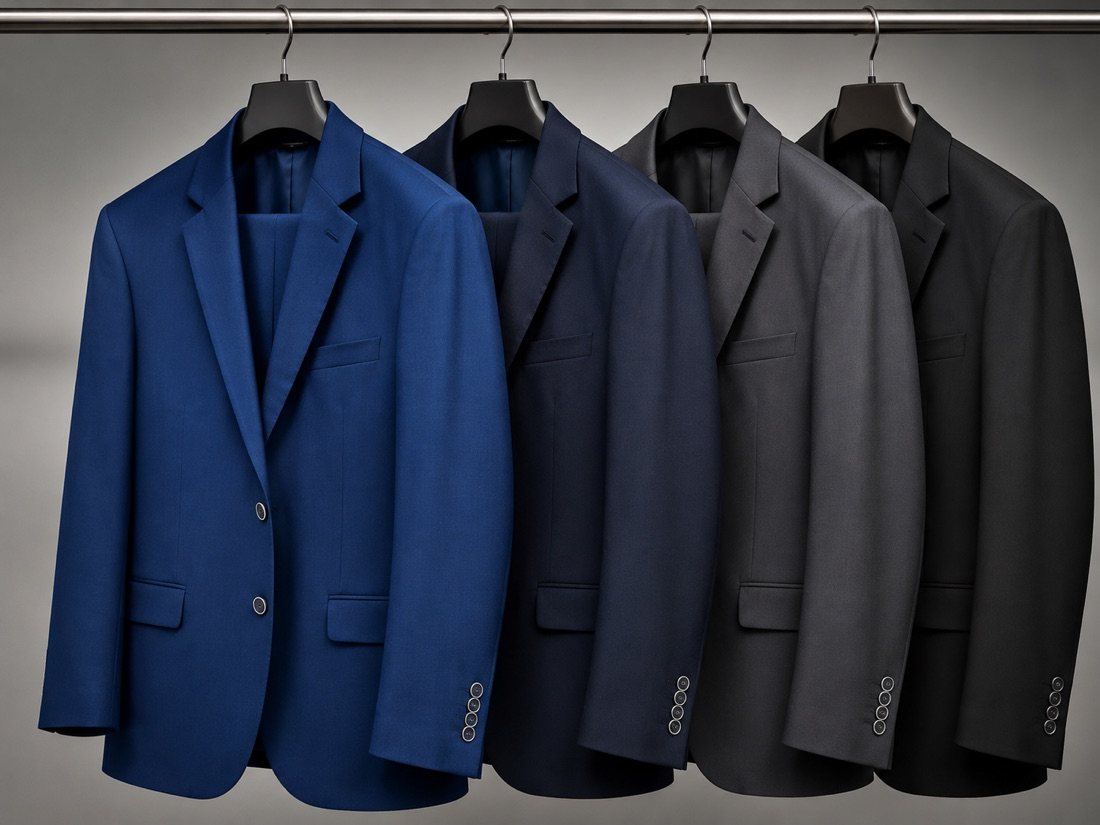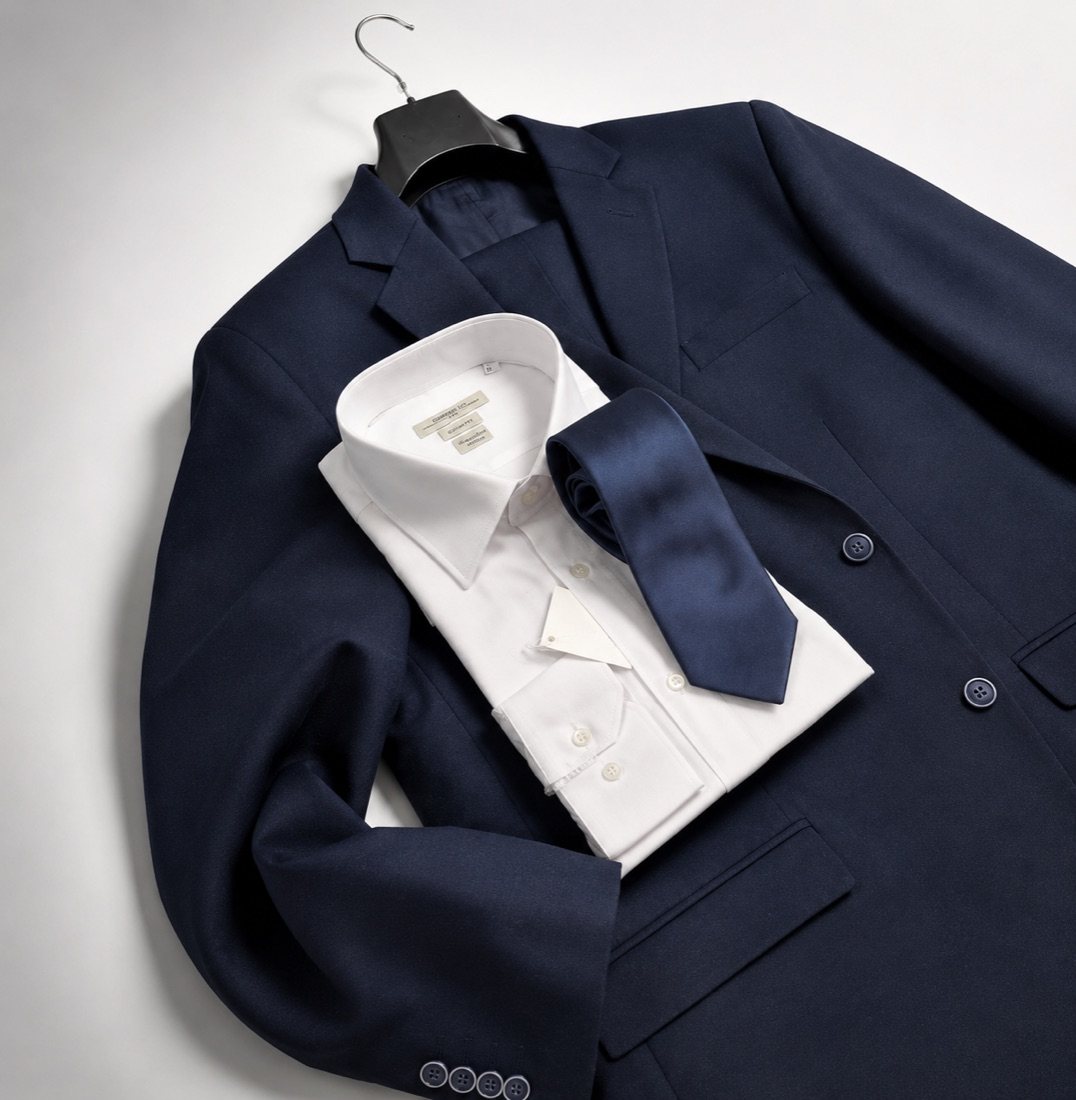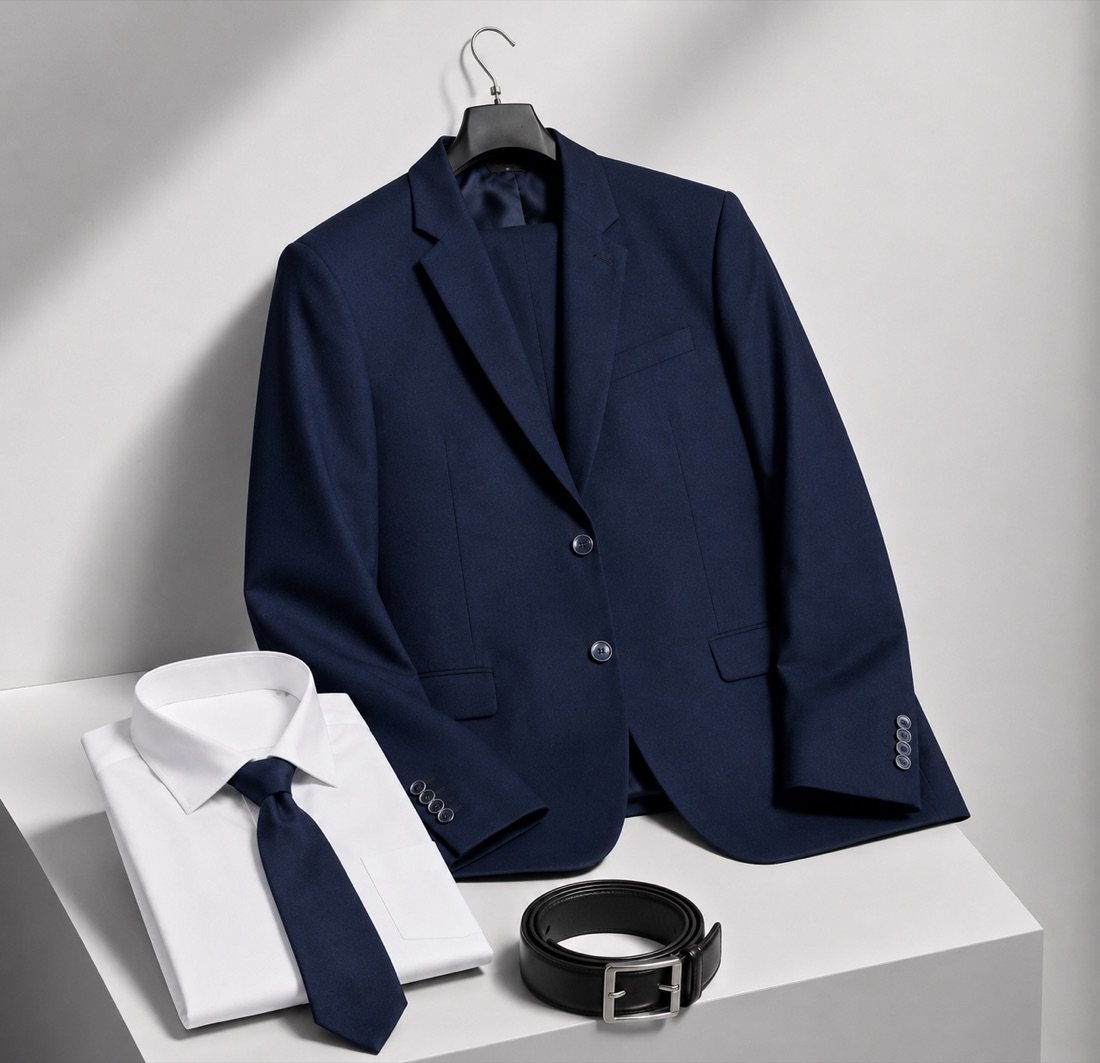
Naples did not invent the men's suit. It reinvented it. It took English rigidity and taught it to breathe, to fold over the body like a second skin. It's from here, from the alleys of Chiaia and the workshops steps from the sea, that the most elegant — and most silent — revolution in 20th-century menswear began.
The Roots: London Meets the Mediterranean
Neapolitan tailoring was officially born at the start of the 20th century, but its ‘revolution’ truly took shape in the 1930s and ’40s. Until then, the pinnacle of tailoring was Savile Row: structured jackets, padded shoulders, military silhouettes.
In Naples, something different happens. The warm climate and the vitality of a port city make those rigid coats unbearable. Neapolitan tailors — forced by latitude — begin to strip things away. Less canvas, less horsehair, less structure. The result is a jacket that weighs half as much, adapts to the body, and unfolds without ever losing its elegance.
Gennaro Rubinacci and the Birth of a Style
The name that opens the modern era is Vincenzo Attolini, for years master tailor at Gennaro Rubinacci’s London House. It’s here, in the post-war years, that the Neapolitan jacket as we know it today is born: unstructured, without shoulder pads, without a full lining, with a "shirt" shoulder.
Attolini is the first to dare — partly because materials were scarce after the war. But that necessity becomes a signature. The shoulder is built like a shirt sleeve set into the jacket — hence the name shirt shoulder. The fabric gathers slightly at the seam, giving that recognisable movement still called mappina today (Neapolitan for "dish rag", for its soft look).
"The flaw is the beauty. The shoulder shouldn’t look perfect: it should look human."
— An ideal of the Neapolitan school
The Trinity of Neapolitan Tailoring
From the 1960s onward, three elements define what the world recognises as the "Neapolitan cut":
1. The Shirt Shoulder
A sleeve set in like a shirt’s, with a slight gather at the top. No padding. The man’s own shoulder shows through the fabric — it is neither hidden nor built up.
2. The Barchetta
The jacket’s breast pocket has a slight curve, like a small upturned boat. A minimal but unmistakable detail. Legend has it that it originated from a Neapolitan shipowner’s request to have his pocket cut "like the hull of a brigantine."
3. The Cannoncino
The lapel rolls softly inward — the cannoncino, as it’s called. A subtle signature, visible only if you know where to look. But it completely changes how a jacket "lives" on the body.
The Great Houses: Kiton, Attolini, Cesare Attolini, Isaia
From the 1980s, Neapolitan tailoring leaves the niche and becomes an international phenomenon. Ciro Paone founds Kiton with the promise of making "the best possible suit, no compromises." Cesare Attolini, Vincenzo’s son, carries his father’s legacy worldwide. Isaia, Sartoria Ambrosi, Panico — each with its own nuance, but all children of the same school.
Wall Street, Tokyo, Milan fall in love with a jacket that "seems not to be there." Because, in fact, English rigidity isn’t there. Instead, there’s a different idea of elegance: fluid, Mediterranean, human.
"A Neapolitan suit doesn’t dress you. It accompanies you."
— Ciro Paone, founder of Kiton
The Legacy at Armatori Italiani
When Armatori Italiani was born in 1957, it breathed that same air. It grew up alongside those workshops. It absorbed the fundamental lesson from day one: the suit serves the man, not the other way round. This vision is also where our most radical specialisation comes from — oversize sizing.
Because truly fulfilling the Neapolitan lesson means one thing only: dressing every man. Not the standard man, not the mannequin, not the model. The real man, with his own build, his own story, his own movements.
That’s why every one of our jackets still has that soft shoulder. That’s why every one of our trousers falls with that small movement purists recognise. And why, if you open one of our linings, you’ll find hand-stitched that small star Neapolitan tailors sew above the inner pocket: "to wish good luck to whoever wears it."
Why It Still Matters Today
In an age of fast fashion and mass-produced garments, talking about Neapolitan tailoring again isn’t nostalgia. It’s a way of remembering that dressing well is an act of care. Toward yourself, even before toward others.
A Neapolitan suit lasts twenty, thirty years. It never goes out of fashion because it was never in fashion: it was always simply right. And in a world that has stopped repairing things, this — perhaps — is the most revolutionary gesture of all.