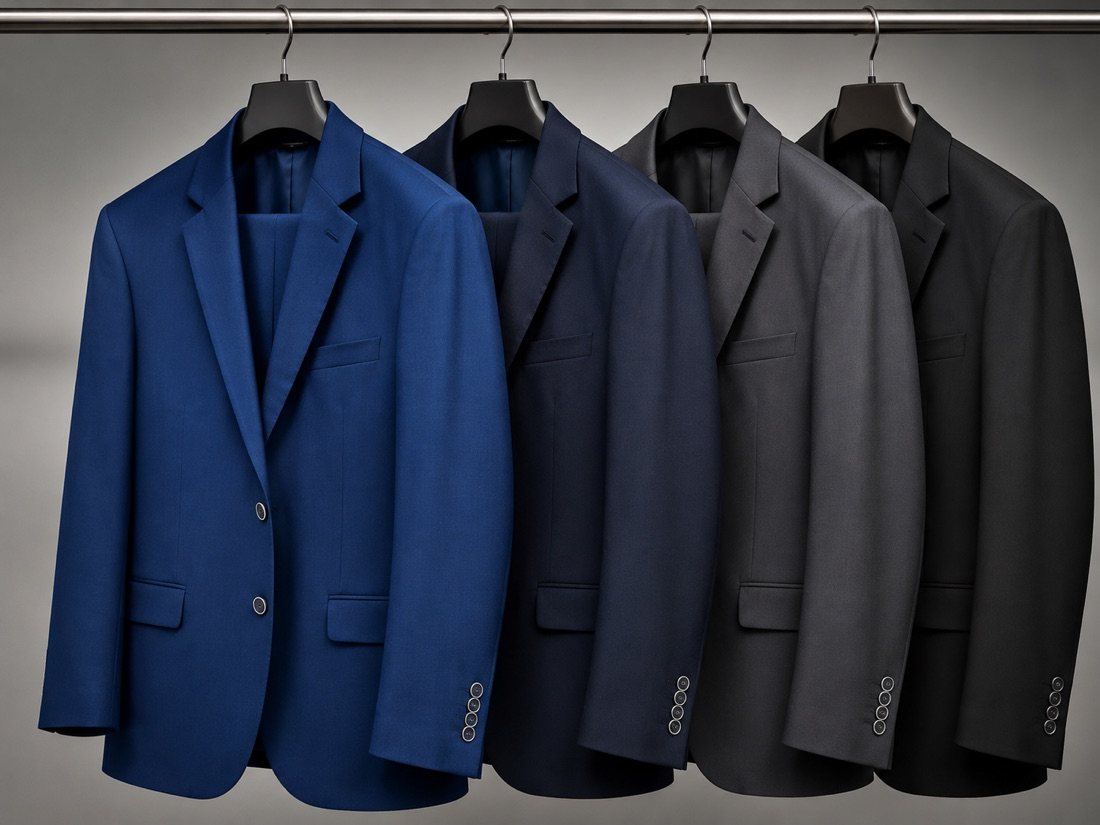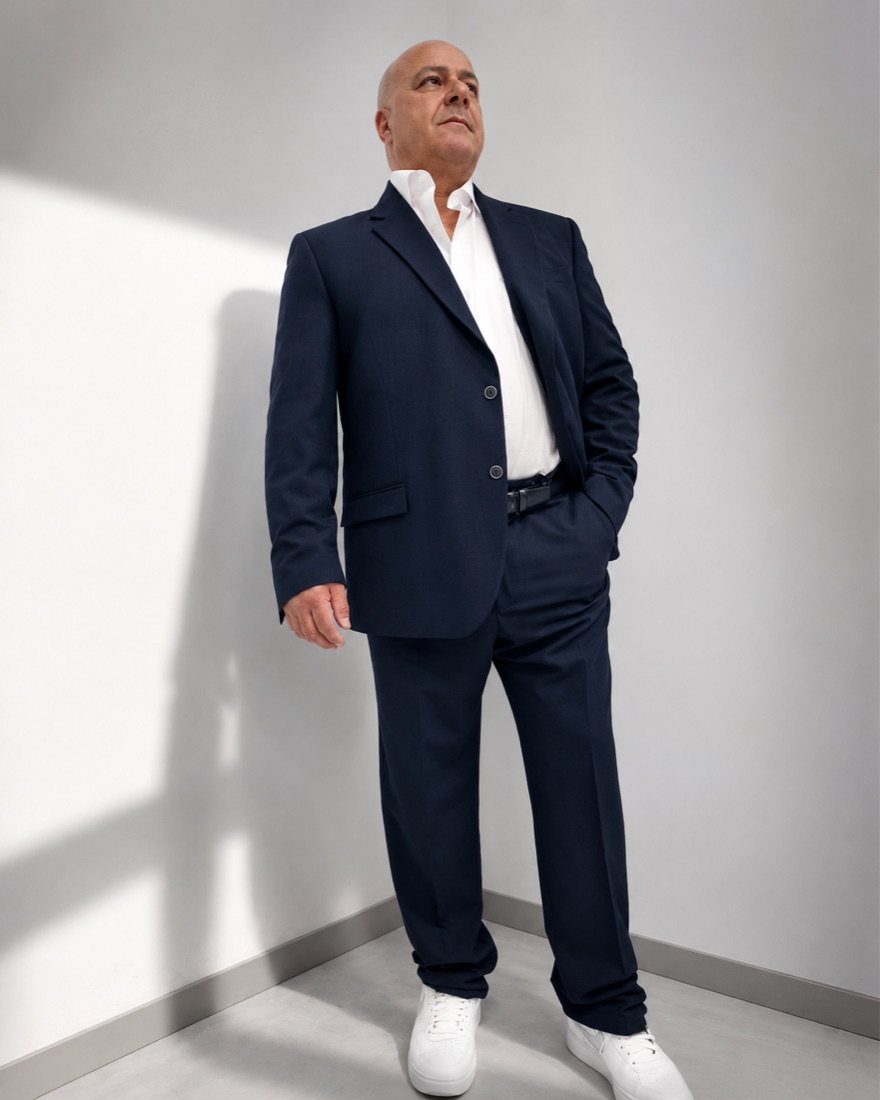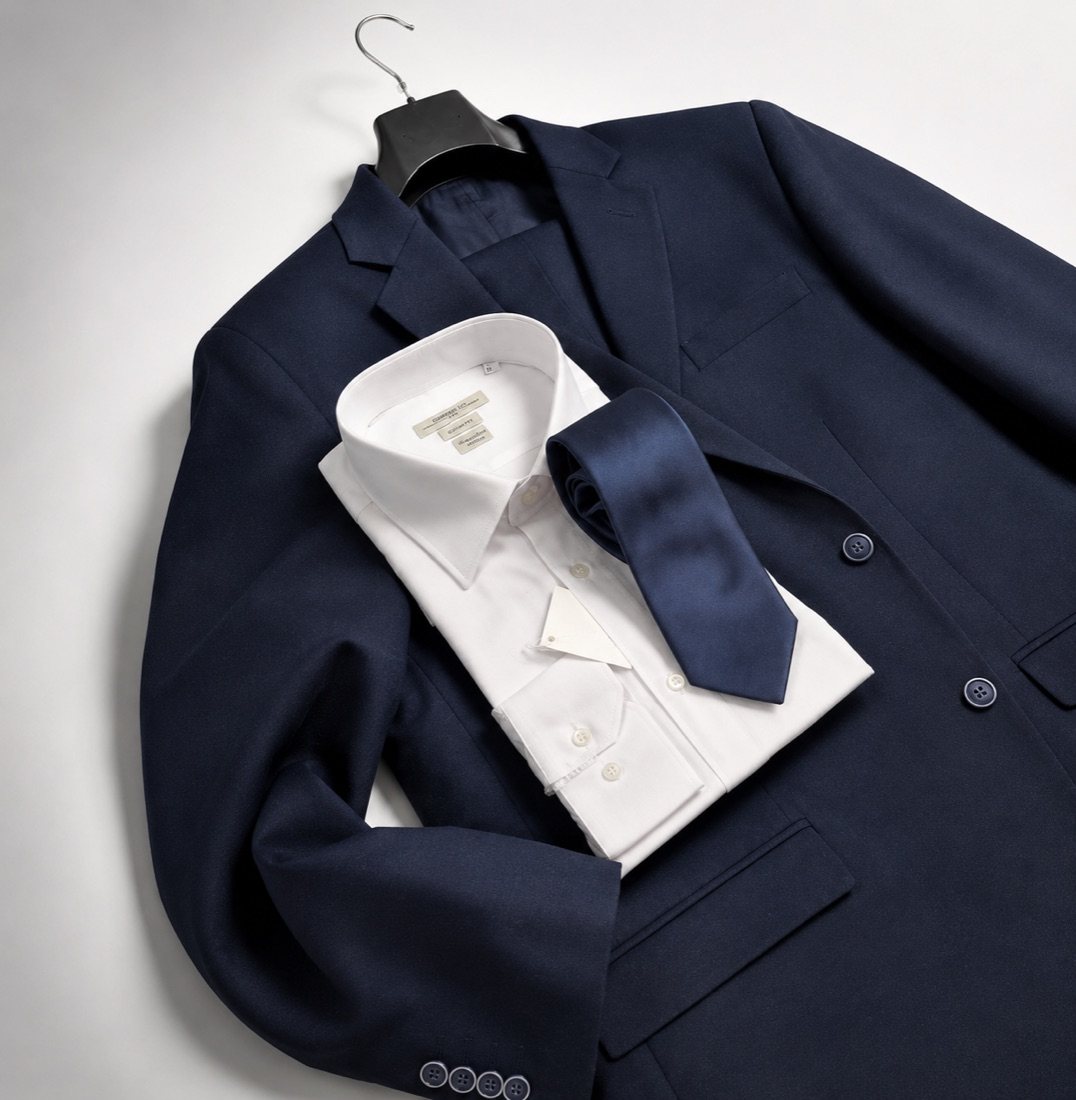
A garment is worth the fabric it's made of. You can have the best tailor in the world, but if the yarn is mediocre, so is the result. That's why, for us, choosing fabrics is the first decision — and perhaps the most important — of every collection.
The Super's System: What It Really Means
When you read "Super 120's" or "Super 150's" on a label, that number indicates the fineness of the yarn, measured in microns. The higher the number, the finer the yarn — and so the fabric is smoother, softer, more "alive" in the light.
- Super 100's – 110's: sturdy, ideal for garments used often (everyday blazers, office suits).
- Super 120's – 130's: balanced. The sweet spot for most men's suits.
- Super 150's and above: fine, delicate. Perfect for formalwear, less suited to intense use.
A Super 130's fabric isn't "better" than a Super 110's in absolute terms — it's finer. The choice depends on how the garment will be used.
"The super's number is a technical figure, not a judgement of value. Confusing the two is the consumer's first mistake."
The Certifications We Rely On
Woolmark
Issued by the International Wool Textile Organisation, it guarantees the garment is made 100% of high-quality pure new wool. Every single yarn is traced from farm to finished garment.
OEKO-TEX Standard 100
Certifies the absence of harmful substances in the finished fabric. Tested against over 300 parameters: heavy metals, allergenic dyes, pesticides, PFAS. It's the minimum certification we require for every fabric entering our workshops.
GOTS (Global Organic Textile Standard)
For fabrics made of organic natural fibres. Covers the entire supply chain: farming, production, dyeing, packaging. Present on some of our heritage cotton and linen lines.
RWS (Responsible Wool Standard)
Ensures animal welfare and sustainable pasture management. A non-negotiable principle for our wools.
Our Historic Suppliers
For fifty years we've relied on a handful of excellent Italian mills, with whom we've built decades-long relationships:
- Vitale Barberis Canonico (Biella) — classic super's wools, four centuries of history.
- Loro Piana — noble fibres, highly selected vicuña and cashmere.
- Piacenza 1733 — structured winter wools, excellence in coating fabrics.
- Cerruti — the historic Biella maison for suiting fabrics.
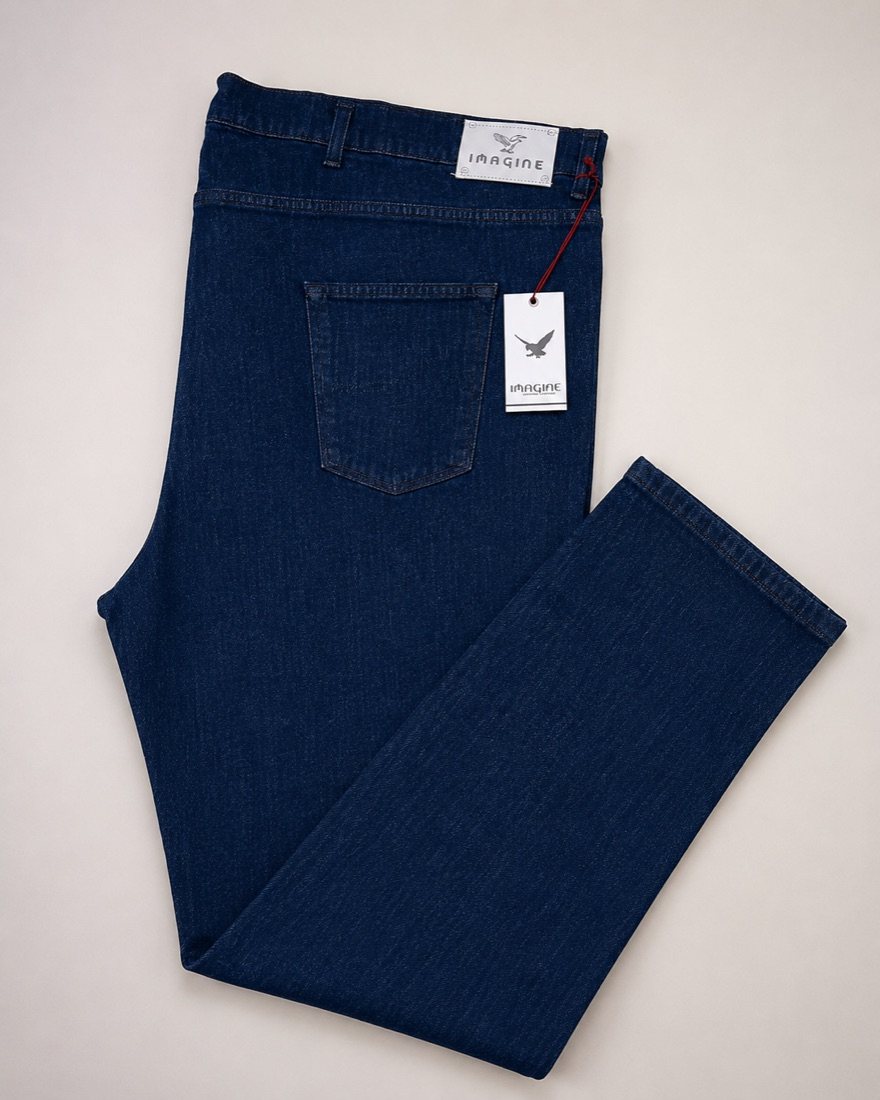
- Candiani Denim — the most award-winning Italian denim in the world for sustainable innovation.
- Tessitura Monti — finest-craft shirting fabrics.
How to Recognise a Good Fabric (Even by Touch)
The Hand
A good fabric springs back into shape. Take it between your fingers, squeeze it, release it: it should smooth itself out without permanent creases. A fabric that holds the crease is a poor-quality fabric.
The Weight
Spring/summer suiting wools should weigh 220–260 g/m². For autumn/winter, 280–340 g/m². Below 200 g/m² fabrics are excessively light; above 380 g/m² you're into heavy cloths.
The Shimmer
Look at the fabric in direct light, then in diffuse light. A good fabric has chromatic life: it shifts shade slightly depending on the light. A flat fabric — always the same — is almost always a poor one.
"True luxury isn't what shines. It's what lasts."
— A Biella milling maxim
Why We Stand Against "Fast Textile"
In fast fashion, fabrics are treated with waxes, sizing agents and resins to look sturdier than they really are. After a couple of washes it all disappears, leaving a limp, shapeless, lifeless fabric.
Our garments, on the contrary, improve over time. Pure wool gains softness with use. Cotton develops a patina. Italian denim tells the story of the person who wears it.
This is the real economics of a quality garment: it costs once, it lasts twenty years. It's not nostalgia. It's maths.